What Is AI Assisted Art and How It Is Changing the Creative World

Art has always been a space where creativity meets expression, where human hands bring ideas to life on canvas, paper, or sculpture. But what happens when artificial intelligence steps into this space? What is AI assisted art, and how does it fit alongside traditional art forms? I find myself asking these questions often, as the art world shifts and adapts to new tools and possibilities.
AI assisted art involves using artificial intelligence technologies to help create artworks. This can mean anything from generating images based on text prompts to enhancing or transforming existing pieces. The process usually combines human creativity with machine learning algorithms that can analyse, generate, or modify visual content. It’s a collaboration between artist and machine, where the artist guides the AI, and the AI offers unexpected results.
How AI Assisted Art Works and What It Involves
At its core, AI assisted art relies on software powered by machine learning models. These models have been trained on vast collections of images, styles, and patterns. When an artist inputs a prompt or an initial image, the AI uses what it has learned to generate new visuals that match or complement the input.
For example, an artist might use a tool like DALL·E 2, which creates images from text descriptions. You could type “a surreal landscape with floating islands and glowing trees,” and the AI will produce a unique image based on that. Another popular tool is Midjourney, which also generates art from prompts but with a different style and approach. These tools allow artists to experiment quickly and explore ideas that might be difficult or time-consuming to paint by hand.
One interesting product in this space is Runway ML, a platform that offers AI tools for creatives, including video editing, image generation, and style transfer. It’s designed to be accessible, so artists without coding skills can still use AI to enhance their work. You can find out more about Runway ML here.
The process often involves several steps:
The artist inputs a prompt or an initial image.
The AI generates one or more images based on the input.
The artist selects, edits, or combines the AI outputs.
The final piece may be refined further using traditional methods or digital tools.
This blend of human and machine creativity opens new doors. It’s not about replacing artists but expanding their toolkit. The AI can surprise with unexpected combinations or details, sparking fresh ideas.
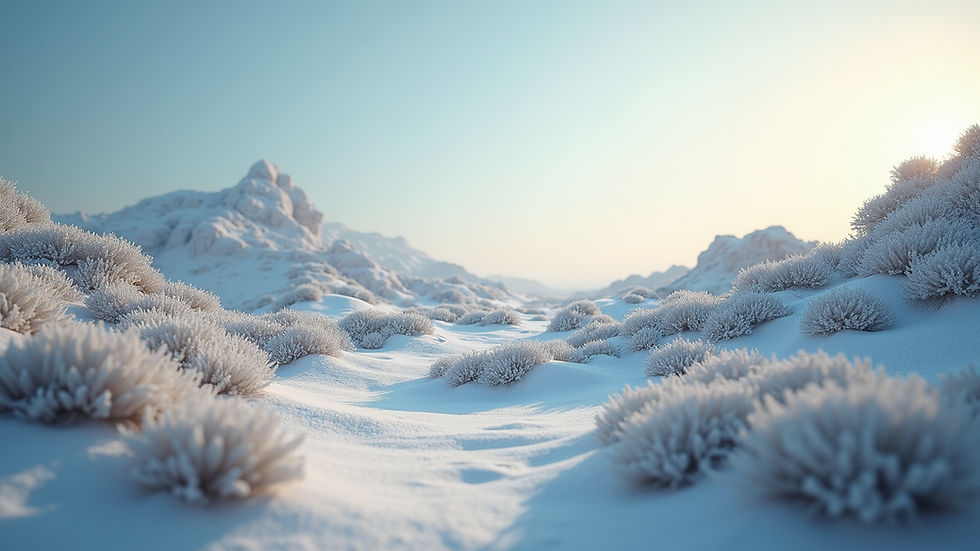
AI generated surreal landscape created with text prompt input
Comparing AI Assisted Art to Traditional Mediums
Traditional art mediums like oil painting, charcoal drawing, or sculpture rely heavily on the artist’s manual skills and physical interaction with materials. Each brushstroke or chisel mark is a direct expression of the artist’s hand and mind. The process can be slow, requiring patience and practice to master techniques.
AI assisted art, by contrast, speeds up the creative process and introduces a new kind of collaboration. Instead of physically applying paint, the artist works with algorithms that generate visuals. This can feel like directing a creative partner who offers suggestions and variations. The artist still makes choices, curates results, and adds personal touches.
There are differences in how the final artworks feel and are perceived. Traditional art often carries a sense of craftsmanship and uniqueness tied to the artist’s manual effort. AI art can sometimes feel more experimental or conceptual, as it challenges ideas about authorship and originality.
Yet, AI art can also mimic traditional styles or create entirely new aesthetics. For example, style transfer techniques allow an AI to apply the look of Van Gogh’s brushstrokes to a modern photograph. This fusion blurs the lines between old and new, digital and physical.
Both approaches have their strengths. Traditional art offers tactile depth and a direct connection to materials. AI assisted art offers speed, variety, and the chance to explore ideas beyond human limitations. Together, they enrich the creative landscape.
How the Art Market Is Responding to AI Assisted Art
The art market’s reaction to AI assisted art has been mixed but increasingly open. At first, many collectors and galleries were sceptical, unsure if AI art could hold the same value or meaning as traditional works. Questions about originality, copyright, and the artist’s role sparked debates.
Yet, some AI generated artworks have sold for impressive sums at auction. For instance, the piece “Portrait of Edmond de Belamy,” created by the Paris-based collective Obvious using a generative adversarial network (GAN), sold for $432,500 at Christie’s in 2018. This event marked a turning point, showing that AI art could attract serious attention.
Today, AI art is gaining traction in galleries, online platforms, and art fairs. Collectors interested in contemporary and experimental art see AI as a new frontier. Some artists use AI to create limited edition prints or digital art pieces, which can be sold alongside traditional canvases.
Platforms like SVW_ART Contemporary Art are embracing this shift by offering a range of artworks, including AI assisted pieces, prints, and workshops that explore new media. This approach helps connect a wider audience with thought-provoking art, whether created by hand or with AI.

Gallery display of AI assisted art prints alongside traditional works
What This Means for Artists and Collectors
For artists, AI assisted art offers exciting possibilities but also challenges. It requires learning new tools and thinking differently about creativity. Some artists worry about losing control or being overshadowed by machines. Others embrace AI as a partner that expands their vision.
Collectors face questions about authenticity and value. How do you judge an artwork partly created by AI? Does the artist’s input matter more than the machine’s? These debates are ongoing, but they push the art world to rethink what art means today.
One practical tip for anyone interested in AI art is to explore platforms like Runway ML or Midjourney to experiment firsthand. These tools are becoming more user-friendly and affordable, making AI art accessible beyond specialists.
At the same time, traditional skills remain vital. Many AI artists combine digital outputs with hand painting or printmaking, creating hybrid works that feel both fresh and grounded.
Looking Ahead: The Future of AI Assisted Art
As AI technology improves, the line between human and machine creativity will blur further. We might see more interactive artworks that respond to viewers or evolve over time. AI could help artists explore new forms, materials, and concepts that were once unimaginable.
The art market will likely continue to adapt, with new categories and ways to collect AI art emerging. Digital ownership through NFTs (non-fungible tokens) is one example, though it comes with its own complexities.
What remains clear is that AI assisted art is not a passing trend. It’s a new chapter in the story of creativity, inviting us to rethink what it means to make and experience art.

Artist creating AI assisted art on a digital tablet


Comments